
| Key Takeaway | What It Means for B2B Buyers |
|---|---|
| A Tequila Bottle with Skull can lift price by 50–400% | The bottle can drive the buy decision, even if the liquid is average. |
| Ceramic fits collectible + gift brands | Lower MOQ, hand-painted look, strong culture story, higher break risk. |
| Glass fits volume retail + bars | Higher MOQ and mold cost, lower unit cost, steady quality. |
| Your margin can grow 2–4x with the right story | A clear culture angle + limited drops can beat commodity pricing. |
| Tooling decisions decide your profit | One bad neck finish or cap thread can create leaks, returns, and bad reviews. |
| QA and packing protect the design | Strong cartons, dividers, and drop testing save money fast. |
A skull bottle grabs attention in one second. People stop. People pick it up. That pause matters in retail. It also matters online. A skull shape looks strong in photos and short videos. Many buyers share it on social media because it looks like art, not a plain bottle.
Brands use this shape to stand out from “same-shape” competitors. They also use it to justify a higher price. Some market reports expect the tequila market to keep growing, with premium tiers growing faster. A skull bottle fits that premium tier well.
Start with real references and proven shapes. See examples in this guide on tequila bottle with skull design and branding: Tequila bottle with skull cultural aesthetic and product-ready options like a skull tequila bottle.

Skulls can mean “fear” in some markets. Day of the Dead meaning is different. It shows love, memory, and family. It uses bright color and joy. A brand should treat that idea with respect. A simple story works best. Use clear words. Use real visual cues like flowers, patterns, and warm colors.
A good design team also matches the bottle to the liquid story. Tequila comes from agave. Buyers like to see that link in the design language. They also like to learn the basics fast. Use content that explains agave types and heritage in a clean way.
These pages help you build that base story for packaging and labels: types of agave for tequila and the evolution of tequila bottles.
A collectible bottle turns packaging into an “object.” People keep it. People display it. Some people even buy a second bottle just to keep the container. That behavior changes the math. The bottle becomes the main reason to pay more.
Skull bottles often sit in the “premium gift” zone. That zone accepts higher prices because the buyer shops with emotion. The buyer also shops for shelf impact. The brand can use limited colors, artist marks, or seasonal drops to lift demand. Scarcity can raise resale value, too.
Use proven premium shape cues. Start here: luxury bottle shapes that balance elegance and function. Then study the supply path for unusual shapes in bulk: unique glass bottles wholesale for business.

Online comments show a clear pattern. Many buyers praise the bottle first. They talk about the look, the paint, and the “display” value. Some buyers criticize the taste. They still buy again because they want the next bottle design. That is the core lesson for private label.
One common risk shows up too. A skull shape can create awkward pouring if the lip is wide or the neck angle feels off. Buyers may forgive this in a collectible tier, but returns still hurt you. You can fix this early with better neck finish and cap fit.
If you want a strong reference case, study skull packaging that reshaped buyer expectations. These pages show design and production details:

Ceramic fits brands that want “hand-made” energy. It also fits brands that want many color versions. A painter can change details without changing a mold. That helps you test the market with smaller runs. Many ceramic projects start at 500–2,000 units.
Ceramic can cost more per unit than glass. Yet the bottle can support a much higher retail price because it looks like art. That story can lift wholesale margins too. Ceramic also adds risk. It can break more in shipping. It can show paint variance. You must set a clear “acceptable range” with your supplier.
Use a clear brief and keep it simple. Start with proven steps for custom concepts:
Glass fits scale. A steel mold makes the shape repeatable. That repeatable look helps retail chains and bar programs. It also helps you keep the bottle consistent across years. Unit cost drops fast as volume grows. That is why glass works well for 10,000–50,000+ runs.
Glass projects need smart early decisions. The mold locks in the face details, jaw depth, and neck finish. Small changes later cost real money. Plan your cap type, thread, and label area from day one. Also decide your glass type. Soda-lime costs less. Borosilicate can signal “premium,” but it changes process and cost.
Use these guides to plan the build:
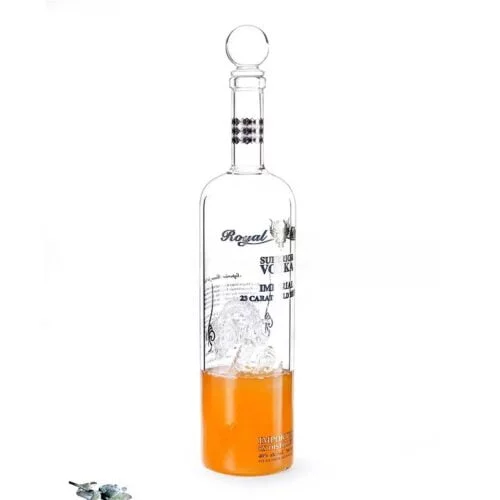
Ceramic and glass both work. The best choice depends on your price tier and your cash plan. Ceramic helps you test demand with lower MOQ. Glass helps you scale with lower unit cost.
| Choice | Typical MOQ | Unit Cost Range | Best For | Main Risk |
|---|---|---|---|---|
| Ceramic hand-painted skull | 500–2,000 | $4–$8 | Collectible, gifts, limited drops | Breakage, paint variance |
| Molded glass skull | 10,000–20,000+ | $1.5–$3 | Volume retail, bars, steady supply | High mold + MOQ risk |
Material safety also matters. Many importers now ask for lead-free, food-safe proof. Keep your material story clear and simple. These pages help:
Small details change buyer trust. A clean neck finish makes pouring feel “high-end.” A stable base makes the bottle feel heavy and secure. Sharp mold lines make the bottle feel cheap. Fix those early.
Plan the “branding zones.” You need a flat area for labels. You also need space for embossing or a logo stamp. Keep the skull face bold, but do not overload it with tiny lines that fail in mass production. Choose closure style early. Cork, T-cap, or screw cap each changes the neck.
Use proven design systems for branding and custom shapes:
China sourcing works best with a plan. First, pick the right region for your material and process. Some areas focus on glass furnaces and molded bottles. Other areas focus on handcraft work and small runs. Regional strengths change lead time and price.
Next, time your buying cycle. Many buyers see delays around peak seasons. You can avoid rush fees if you plan sampling and tooling early. A factory visit helps you catch problems fast. You can check mold storage, QC stations, and packing lines with your own eyes.
Use these guides to build your route and questions:

A skull bottle needs a strong sample process. First, confirm capacity. Then lock the neck spec. Then confirm carton fit. Do not skip these steps. A bottle can look great and still fail in filling lines or shipping cartons.
Use a staged sample plan. Start with a 3D file review. Then request a physical sample. Then run a small pilot pack test. If you change the face details, you may also change wall thickness. That can change weight and break risk.
Use a clear OEM path so each stage has sign-off. These pages help you control time and cost:
Returns kill profit. Most returns come from three issues: chips, leaks, and haze. You can prevent all three with basic checks. For glass, check bubbles, stones, and thickness. For ceramic, check glaze pinholes and paint rub. For both, check cap fit and torque.
Packing also matters. Use strong dividers. Use corner protection. Add a simple drop test plan before you ship full volume. Many brands also use third-party inspection for the first run, then switch to random checks later.
Use these tools to build your control plan:
A skull bottle can support a simple price ladder. You can run a core SKU for steady sales. You can run limited colors for hype. You can also add a premium closure and gift box to lift margin. Keep the ladder easy to understand.
Use ceramic for limited runs if you want “one-of-one” feel. Use glass for a steady core if you want wide distribution. Some brands mix both. They keep glass in retail shelves. They drop ceramic for seasonal demand. That mix can keep attention high all year.
Start with a clear product set and a short list of hero designs:

What bottle sizes work best for tequila brands? Most brands use standard sizes like 750ml and 1L. Use a size guide like tequila bottle sizes and ultimate tequila bottle size guide.
Can a skull bottle pass US compliance rules? Shape usually has no special ban. You still must follow label and size rules. Keep documentation clean during import.
Should I choose borosilicate for a skull bottle? Borosilicate can offer clarity and stability for premium positioning. See long-term clarity advantage and borosilicate bottle basics.
How do I pick a safe, reliable supplier? Ask for process proof, QC records, and past export cases. Start with choosing glass container suppliers and borosilicate glass manufacturers.
What closures work best for skull bottles? Match the closure to your neck finish and filling line. Compare options in custom lid types guide.
How do I reduce breakage in shipping? Use dividers, corner protection, and drop tests. Build your packing spec early and follow a clear onboarding flow like the OEM onboarding guide.
Is “eco” packaging real for glass bottles? Glass can support reuse and recycling stories. Keep claims simple and verifiable. See borosilicate environmental advantages.
What is the fastest way to start a skull bottle project? Pick an existing shape, order samples, then customize branding. Start from custom bottle design ideas and a clear prototype plan.
